What draws you to Utica’s historic neighborhoods? Maybe it’s the porch-lined streets, the grand old mansions, or the quick walk to arts, parks, and coffee. If you love character and convenience, these areas offer both. In this guide, you’ll get a feel for each district, what daily life looks like, and practical tips for owning an older home here. Let’s dive in.
Neighborhood snapshot
Bagg’s Square and Lower Genesee
If you enjoy a lively, walkable setting, Bagg’s Square and the Lower Genesee Street Historic District form Utica’s oldest commercial core. You’ll see brick storefronts, cornices, and industrial-era buildings with a mix of cafes, offices, and loft-style spaces. The city’s guide to local districts highlights this downtown area’s historic character and convenient anchors like Union Station and the arena. Explore the district on the City of Utica’s overview of districts and look for the late-19th and early-20th century facades that define its look.
Union Station is still an active rail and bus hub, which is unusual for a city of this size and adds to the neighborhood’s energy. If you rely on regional travel or just like the vibe of a grand station, you’ll appreciate Union Station’s ongoing role in daily life.
Rutger–Steuben Park and Rutger Park
For high-style historic homes, this compact area stands out. It features Greek Revival and Italian Villa examples, tree-lined streets, and small parks. You’ll also find the Roscoe Conkling House, a National Historic Landmark, within the broader district. The Landmarks Society of Greater Utica notes the neighborhood’s 19th-century architecture and its concentration of notable residences. If you love original woodwork, tall windows, and classic room layouts, start your search here.
Parks & Parkway corridor
Designed by the Olmsted Brothers, Utica’s linked park and parkway system wraps several older neighborhoods in green space and gives a calming, suburban-park feel right in the city. The historic parkway district is recognized for its early 20th-century landscape design and contributes heavily to quality of life with places to walk, picnic, and play. Learn more about the Utica Parks & Parkway Historic District and how this green spine shapes nearby blocks.
Central, East, West Utica and Cornhill
Closer-in neighborhoods like Central Utica, Cornhill, East, and West Utica offer older row-house and two-family blocks, commercial corridors, and cultural diversity. You’ll see some of the city’s oldest housing stock and areas in active rehabilitation. Expect sidewalks, mature trees, and traditional block patterns, with quick drives into downtown. These areas can deliver value for buyers who want character and urban convenience.
Architecture you’ll notice
Common styles
- Greek Revival and Federal-era homes from the early 1800s, including townhouse and mansion types.
- Italianate, Second Empire, and Italian Villa styles from the mid to late 19th century, especially around Rutger–Steuben Park.
- Brick commercial and industrial buildings downtown with decorative cornices and historic storefronts.
- Parkway-adjacent homes influenced by early 20th-century landscape planning.
Everyday details and trade-offs
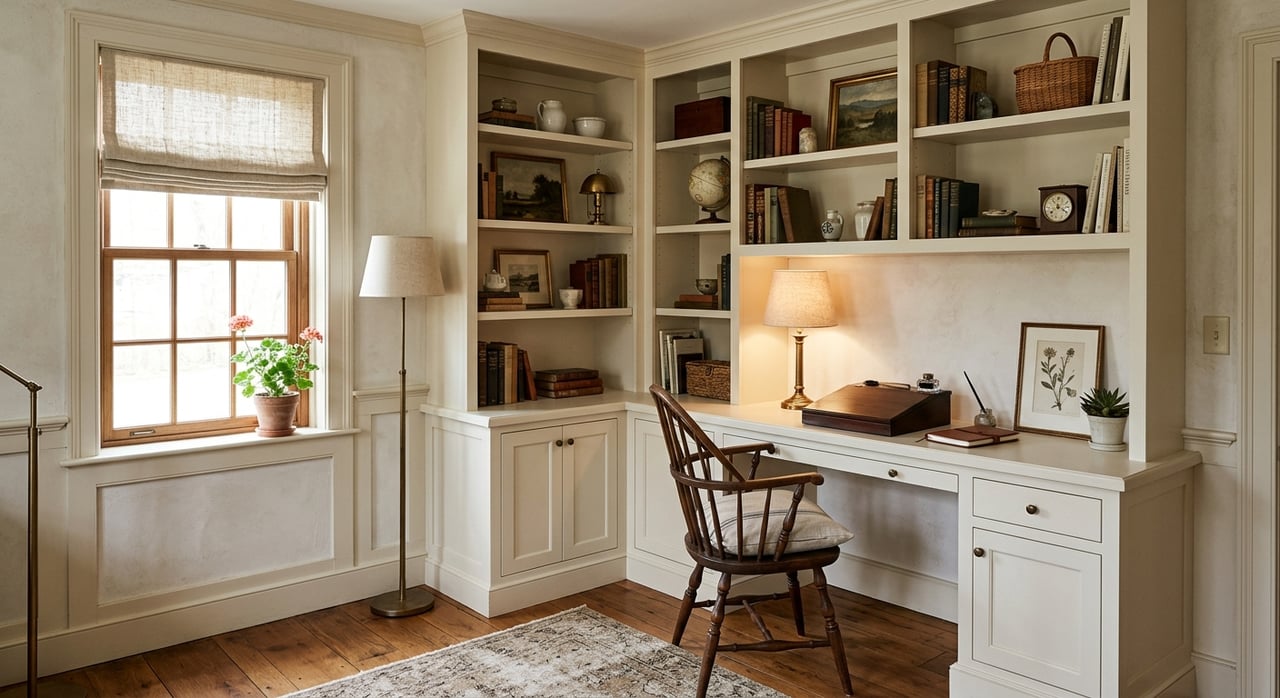
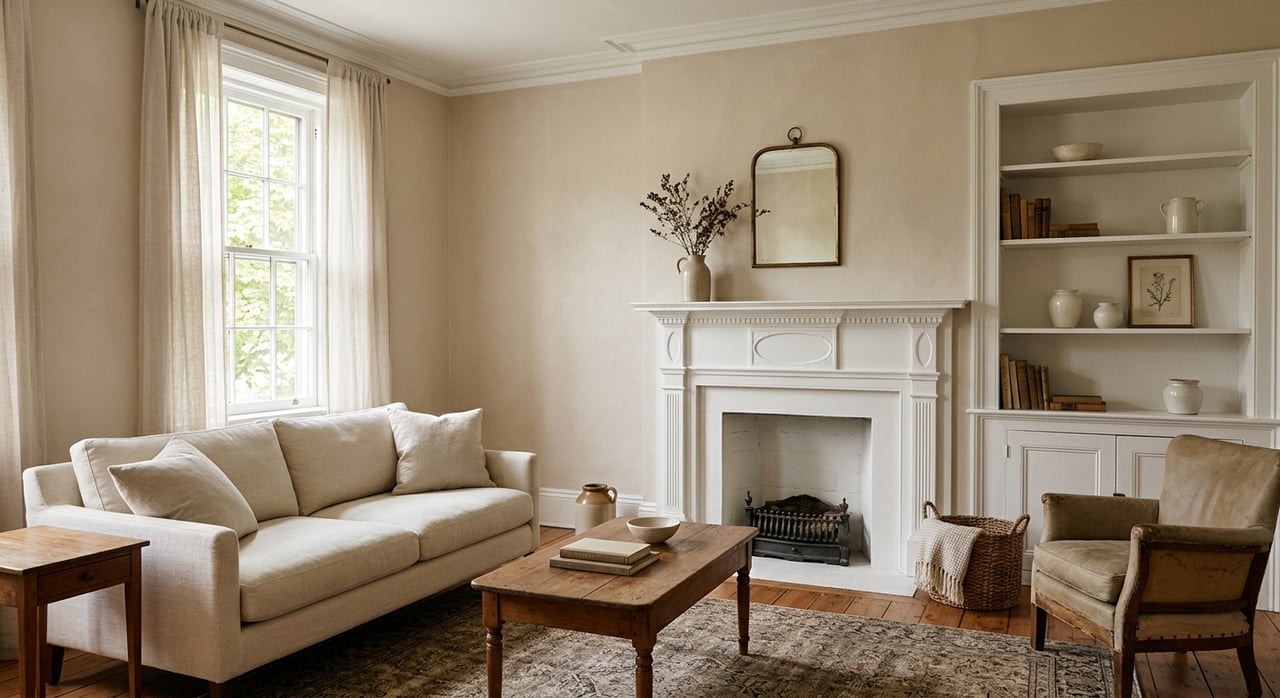
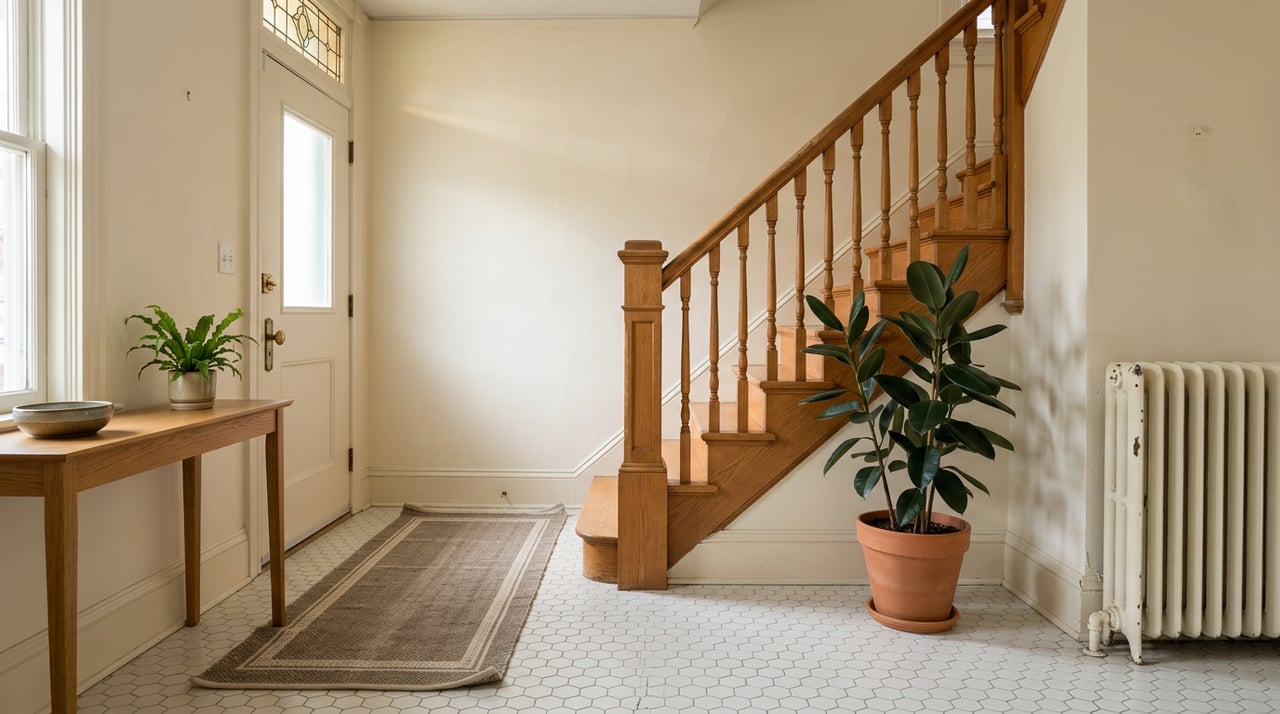
- Charm you can see: high ceilings, original woodwork and trim, plaster walls, transom windows, front porches, carved newel posts, and defined rooms for living, dining, and parlor.
- Practical trade-offs: original single-pane windows, smaller closets, and less open-plan layouts than new builds.
- Block feel: tighter setbacks and closer neighbors near downtown; larger lots and more greenery near the parkways.
If you plan to preserve period features, the National Park Service offers plain-language how-to guides for windows, masonry, roofing, and energy upgrades. Browse the NPS Preservation Briefs for step-by-step advice and when to call a pro.
Everyday life and amenities
Arts and events
You are close to museums, performances, and community events. The Munson-Williams-Proctor Arts Institute anchors the arts scene with exhibitions and performances. The Stanley Theatre’s programming and local history resources are nearby as well. For sports and large events, the Adirondack Bank Center at the Aud draws crowds for games and shows, adding to the area’s identity. Check out the arena’s background at the Adirondack Bank Center.
Parks and recreation
The Parkway, Roscoe Conkling Park, and Proctor parks offer trails, lawns, and seasonal programming. Many historic streets meet the park edges, so grabbing a morning jog or an after-dinner walk is simple. This green network is a major part of daily life and one reason these neighborhoods feel settled and welcoming.
Getting around and connections
With Union Station’s rail and bus connections, you have regional transit options in the heart of downtown. That connection supports local businesses and makes day trips easier.
Daily needs
Grocery stores, schools, and neighborhood businesses are spread across the city, with major medical services now centralized downtown and in central Utica. The Mohawk Valley Health System’s new campus places key care close to historic districts, which is helpful for many households. For current services and locations, visit Mohawk Valley Health System.
Owning an older home: what to expect
Charm and function
You will notice the difference as soon as you walk in: taller ceilings, thicker walls, and a sense of craft. You may also notice original windows, smaller closets, and compartmentalized rooms. For many homeowners, the charm is worth the trade-off. Smart updates can improve comfort while keeping character.
Quick buyer checklist
Use this short list as you tour homes and plan inspections:
Structure and roof
- Look for sound masonry, intact cornices, and signs of water management issues at gutters and downspouts. Matching mortar and targeted repointing matter for long-term health. The NPS Preservation Briefs explain best practices.
Heating and mechanicals
- Expect older boilers or forced-air systems in many homes. Efficiency upgrades and insulation help, but plan them carefully to protect original materials. See the NPS guidance for energy improvements.
Electrical capacity
- Older wiring types and small panels are common in vintage housing. An electrical specialist can advise on safety, insurance requirements, and needed upgrades.
Lead paint and asbestos
- Homes built before 1978 may have lead paint. Some older materials can include asbestos. Plan for testing and certified contractors if you will disturb painted surfaces or suspect older materials.
Moisture and drainage
- Check basements and grading. Chronic dampness drives many repair costs in older foundations.
Historic approvals
- National Register recognition is mostly honorary, but local rules can require design review for visible exterior changes. Utica’s Scenic & Historic Preservation Commission oversees Certificates of Appropriateness and related reviews. See the city’s meeting and process info for the Scenic & Historic Commission.
Costs, incentives, and approvals
Tax credits and programs
New York State offers a homeowner historic rehabilitation tax credit for qualifying properties and projects. If your home is in a listed historic district or individually listed, and your work qualifies, this program can reduce your net costs. Program caps and refundability can change, so verify the latest rules with the state office. Start with the NYS Historic Homeowner Tax Credit program.
Design review in Utica
Utica’s local Scenic & Historic Preservation Commission reviews certain exterior changes in designated local districts. This is separate from the federal National Register. Plan ahead by checking local requirements early in your timeline. The city’s posted commission materials provide a window into how Certificates of Appropriateness work. Visit the Scenic & Historic Commission page for process details.
Budget planning
Compared to new construction, older homes may need attention to roofing, drainage, electrical capacity, and heating systems. A focused inspection and a realistic contingency budget help you protect your timeline and pocketbook while keeping original features intact.
Is a historic neighborhood right for you?
You might be a great fit if you:
- Prioritize walkability to arts venues, restaurants, and parks.
- Love woodwork, tall windows, and well-defined rooms.
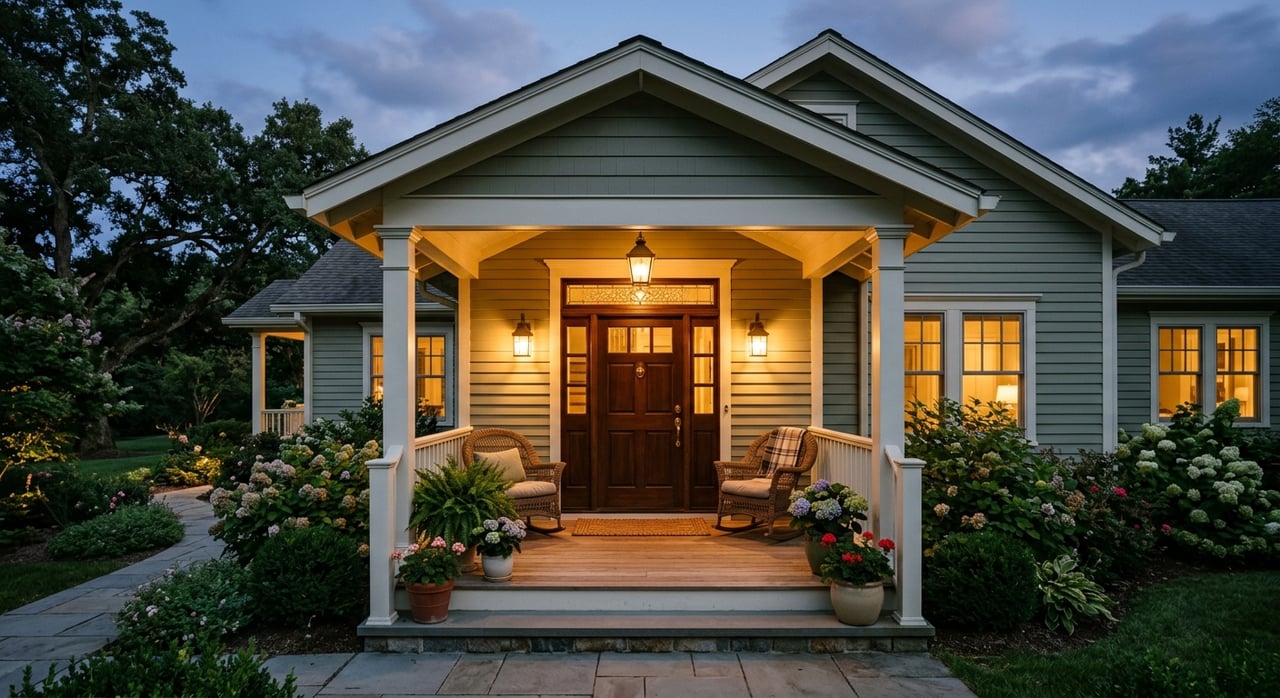
- Want a front porch lifestyle and neighborly blocks.
- Are open to phased updates that respect original details.
If you prefer wide-open floor plans, oversized closets, and fully modern systems on day one, look for homes near the Parkway or in areas where more recent updates are common. Either way, a clear plan for inspections and approvals will keep your purchase on track.
Ready to explore homes near Bagg’s Square, Rutger Park, or the Parkway corridor? Let’s make a plan that fits your timeline and comfort level. Reach out to Azza Giorgi to tour neighborhoods, compare options, and map your next steps.
FAQs
What is the feel of Bagg’s Square and Lower Genesee in Utica?
- These downtown blocks feature historic brick storefronts, Union Station access, and a mixed-use vibe with cafes, offices, and events close by.
What styles of homes are common around Rutger–Steuben Park in Utica?
- You’ll see Greek Revival, Italianate, and Italian Villa homes with period details like tall ceilings, original woodwork, and formal room layouts.
Do National Register listings restrict exterior changes to Utica homes?
- National Register recognition is mostly honorary, but local Scenic & Historic rules can require design review; check Utica’s commission process early.
Are there tax credits for renovating historic homes in New York?
- Yes. New York’s homeowner historic rehabilitation tax credit can reduce costs for qualifying work and properties; confirm current rules with the state office.
What should I inspect first when buying an older Utica home?
- Start with roof and water management, masonry, heating and electrical systems, and signs of moisture; add testing plans for lead paint and older materials.