If you are selling an older home in Clinton, you are not just putting square footage on the market. You are presenting craftsmanship, history, and years of care, all while managing inspections, disclosures, and buyer expectations. The good news is that with the right plan, you can make the process feel far more organized and less overwhelming. Let’s walk through how to prepare, market, negotiate, and close your older Clinton home with confidence.
Why Older Clinton Homes Need a Plan
Clinton’s identity is closely tied to its historic character. The Village of Clinton describes the community as a historic village just outside Utica, and the Clinton Village Historic District is listed on the National Register of Historic Places, with architecture and significance spanning 1750 to 1949.
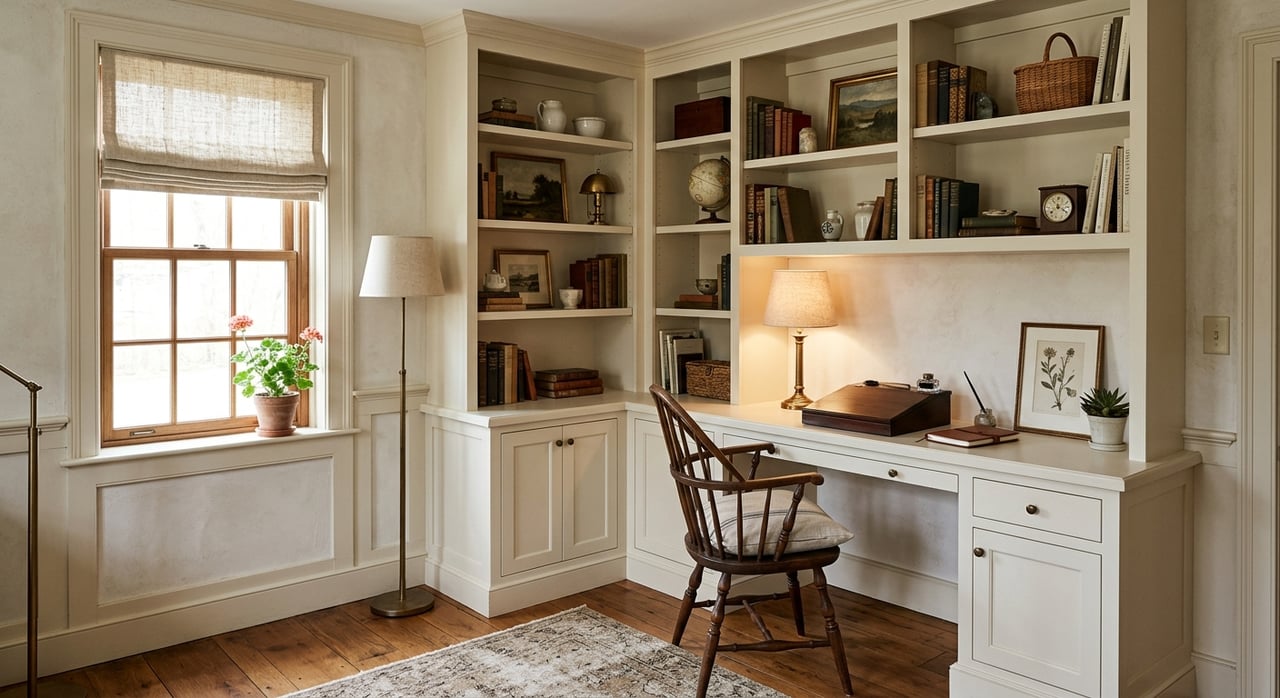
That matters when you sell. In many older Clinton homes, original details like woodwork, fireplaces, built-ins, staircases, and windows are part of the home’s appeal. Buyers often respond well when those features are easy to see and when the home’s condition and updates are clearly documented.
Local market conditions also support a thoughtful launch. In the latest public ZIP 13323 market overview, the median listing price was $399,900, median days on market were 96, and the area was characterized as a seller’s market. That means buyers are active, but presentation and preparation still matter.
Start With Disclosures First
Before you spend money on paint, staging, or repairs, get clear on what you need to disclose. In New York, the current Property Condition Disclosure Statement is required beginning July 1, 2025, and sellers generally must provide it before the buyer signs a binding contract.
This form is not a warranty, and the law does not require you to investigate or inspect the property just to complete it. Still, accuracy matters. If you later learn something that makes your disclosure materially inaccurate, New York law requires you to revise it as soon as practicable before transfer of title or occupancy, as outlined in the state’s real property law materials.
If your home was built before 1978, there is another key step. The EPA’s lead-based paint disclosure rules apply to most pre-1978 housing, which means sellers must disclose known lead-based paint or hazards and provide the required EPA/HUD pamphlet.
Check Historic District Rules Early
If your property is located within Clinton’s historic district, visible exterior work may require approval before it begins. According to the village code on historic preservation review, a certificate of appropriateness is required for exterior alterations, demolition, new construction, moving property, or other visible changes that affect the district’s appearance.
Ordinary maintenance and repair that do not change design, material, or outward appearance are generally allowed. But if your to-do list includes exterior painting changes, replacing visible materials, or modifying architectural details, confirm district status first. The code notes that decisions can take up to 75 days from initial review, so this is not something to leave until the last minute.
Prioritize Systems Before Cosmetics
One of the smartest steps you can take with an older home is to understand its major systems before buyers do. The National Association of REALTORS® notes in its seller prep guide that a pre-sale inspection can reveal issues with the structure, roof, plumbing, electrical systems, heating and air conditioning, interiors, insulation, ventilation, and fireplaces.
A pre-sale inspection is not required, but it can help you avoid surprises during negotiation. Even if you do not plan to fix every issue, getting estimates for major items like roofing, HVAC, or appliances can help you make calm, informed decisions later.
A practical way to think about prep is this:
- Know the condition of the home before listing
- Decide what to repair and what to disclose
- Gather documentation so buyers feel informed
- Launch only when the home is market-ready
Focus on Clean, Clear Presentation
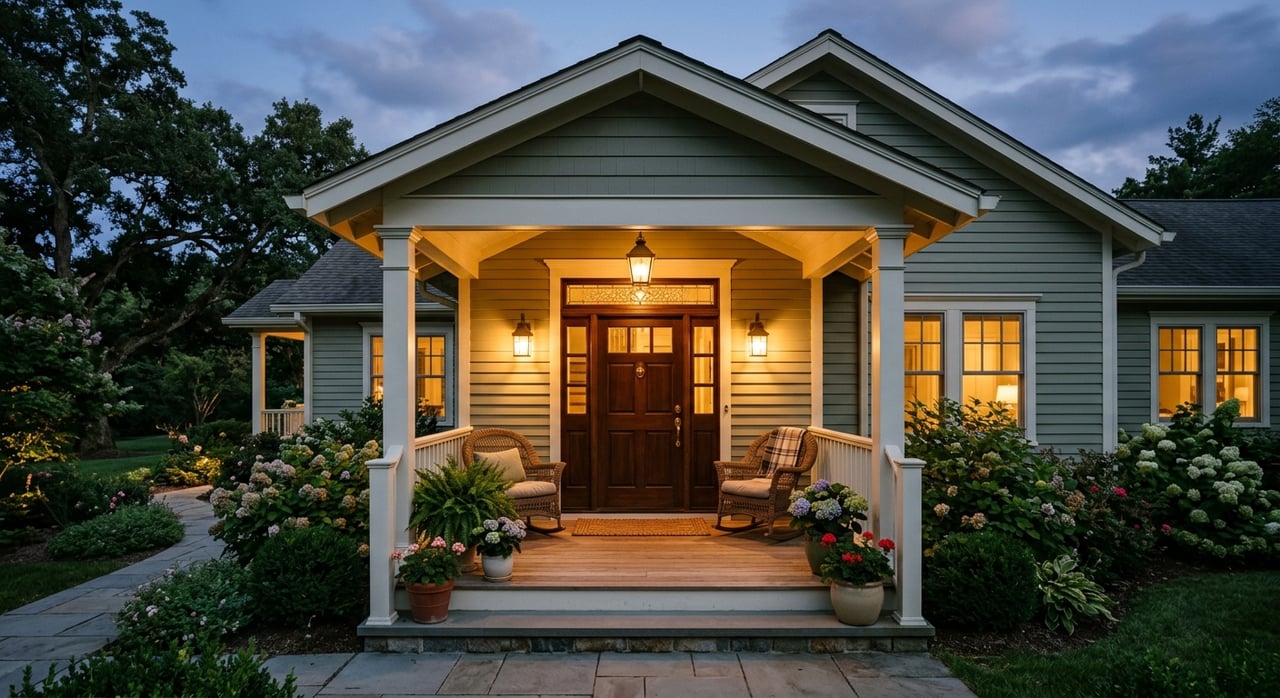
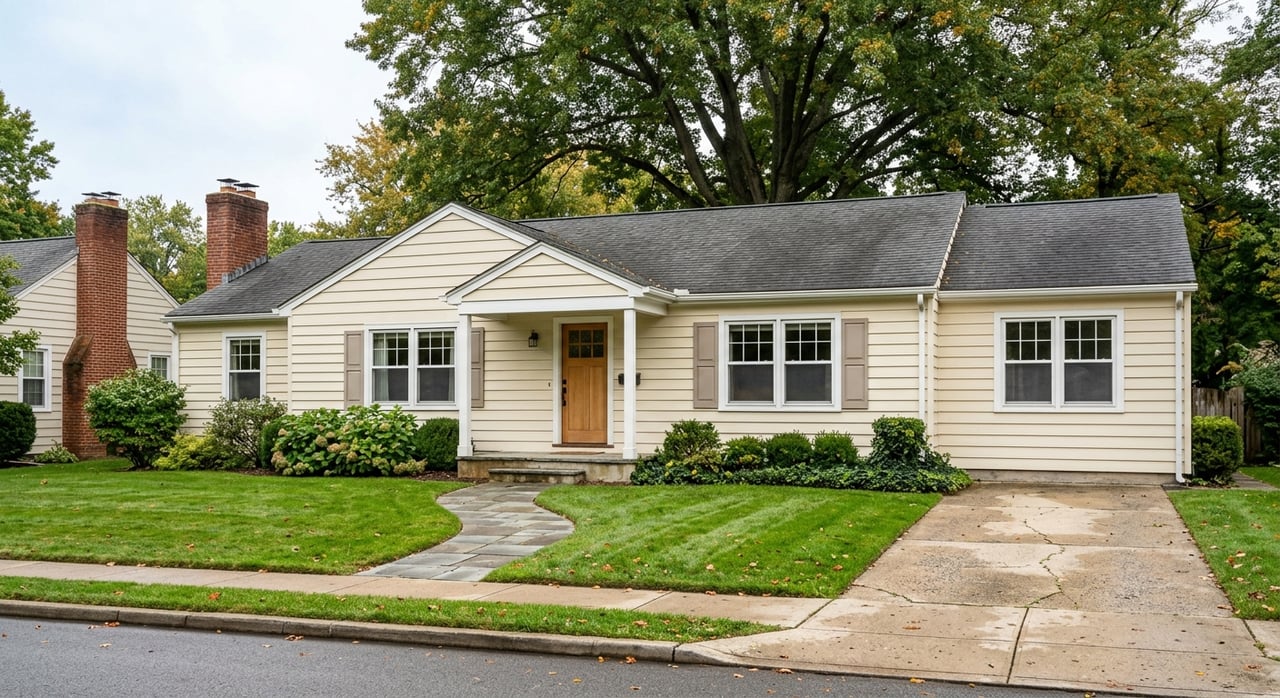
For most older homes, presentation is less about trendy updates and more about clarity. NAR recommends cleaning windows, carpets, lighting fixtures, and walls, removing clutter, and improving the front entrance and landscaping before listing.
That advice is especially useful in Clinton. In a home with historic character, too much furniture or décor can make the best features disappear. Your goal is to help buyers notice the scale of the rooms, the natural light, and the craftsmanship that makes the property stand out.
Here are the prep items that usually deliver the most value:
- Deep clean the entire home
- Remove extra furniture and personal items
- Open up sight lines to fireplaces, trim, built-ins, and staircases
- Tidy the front entry and exterior landscaping
- Replace burnt-out bulbs and improve room brightness
- Organize storage areas, basements, and utility spaces
Gather Records Before You List
Older homes often come with more buyer questions, and that is not a bad thing. It just means documentation becomes part of your marketing strategy.
NAR recommends collecting warranties, guarantees, manuals, and service records for systems and appliances that will stay with the home. Having these ready can help reduce confusion during inspections and closing.
A strong seller file may include:
- Property Condition Disclosure Statement
- Lead disclosure paperwork, if applicable
- Repair invoices and contractor receipts
- Service records for heating, cooling, plumbing, or electrical work
- Appliance manuals and transferable warranties
- Any approvals related to exterior work in the historic district
Stage the Right Rooms First
Staging does not have to mean a full redesign. It means making the home easier for buyers to understand.
According to NAR’s 2025 staging report, 83% of buyers’ agents said staging helped buyers visualize the home as a future residence, 49% said staging reduced time on market, and 29% of sellers’ agents saw staged homes receive a 1% to 10% higher dollar offer.
The same report found the most important rooms to stage were the living room, primary bedroom, and kitchen. In an older Clinton home, that often means keeping these rooms light, balanced, and uncluttered so buyers can focus on layout and character rather than distractions.
Make Your Online Launch Count
The first days on the market are important, especially online. NAR reports that listing photos are among the most useful features for buyers searching online, and strong visuals help shape early interest.
For an older home, your listing should clearly show both character and condition. That usually means professional-quality photography, consistent lighting, a strong exterior image, and listing remarks that explain what is original, what has been updated, and what buyers should know about the home.
A smart launch plan usually includes:
- Final cleaning before photos
- Photos that highlight curb appeal and key interior features
- A clear description of historic details and updates
- Accurate disclosure information ready from day one
- Prompt review of showing feedback in the first week
Expect Inspection Negotiations
Older homes almost always generate inspection conversations. The key is to expect that and plan for it instead of reacting emotionally.
NAR’s home inspection guide notes that common issues include structural or foundation concerns, drainage, faulty wiring, HVAC problems, and safety items such as smoke alarms or carbon monoxide detectors. Buyers do not expect perfection, but they do want clarity.
Before you list, decide your approach to likely repair requests:
- Which items you are willing to fix
- Which items you would rather credit at closing
- Which items you will disclose and leave as-is
This kind of planning helps you negotiate from a calmer position. It also keeps you from making rushed decisions once inspection reports arrive.
Use a Simple Selling Timeline
When you sell an older home in Clinton, timeline management matters. Between inspections, paperwork, cleaning, and possible historic-district approvals, a step-by-step plan is the best way to stay ahead.
Here is a practical roadmap based on NAR guidance and local considerations:
| Timeline | What to Do |
|---|---|
| 6 to 8+ weeks before listing | Order inspections, review disclosures, confirm historic-district status, gather records |
| 2 to 4 weeks before listing | Complete repairs, deep clean, declutter, stage, prepare for photos |
| Launch week | Publish listing, begin showings, monitor feedback and buyer response |
| After acceptance | Move through inspection, appraisal, title work, disclosure updates if needed, and closing prep |
Prepare for a Smoother Closing
Once you are under contract, the finish line is in sight, but details still matter. In New York, if new information comes up that affects your disclosure, you may need to update it before closing.
It also helps to keep a clean closing file with signed disclosures, repair receipts, warranties, and any inspection-related agreements. According to Realtor.com’s closing overview for sellers, sellers typically sign a relatively small set of documents, often including the deed and closing statement, and then hand over keys and openers.
Your final handoff checklist should include:
- Keys and garage remotes
- Utility transition details
- Appliance and system manuals
- Warranties and service records
- Copies of signed documents
Selling an older home in Clinton does not have to feel chaotic. With the right prep, the right disclosures, and a clear plan for repairs, staging, and negotiation, you can present your home with confidence and move toward closing with fewer surprises. If you want organized, step-by-step guidance tailored to the Mohawk Valley market, connect with Azza Giorgi for help building a smart listing plan.
FAQs
What should you do first when selling an older home in Clinton?
- Start with disclosures, confirm whether the property is in the historic district, and consider a pre-sale inspection so you understand the home’s condition before listing.
Do historic district rules affect exterior updates for a Clinton home sale?
- Yes. If the property is within Clinton’s historic district, certain visible exterior changes may require a certificate of appropriateness before work begins.
Does a pre-1978 Clinton home need lead-based paint disclosure?
- Yes. Sellers of most pre-1978 homes must disclose known lead-based paint or hazards and provide the required EPA/HUD pamphlet.
How can you make an older Clinton home more appealing to buyers?
- Focus on deep cleaning, decluttering, improving curb appeal, and making original features like woodwork, fireplaces, and built-ins easy to see.
What records should you have ready before closing on an older home in Clinton?
- Keep disclosures, repair receipts, service records, manuals, warranties, and any inspection or approval documents organized and ready for the buyer and closing process.