If you are thinking about buying a multi-unit property in Utica, the opportunity can be real, but so can the complexity. You may be hoping to offset your mortgage with rental income, grow an investment over time, or find a property that gives you flexibility in how you live and own. The good news is that Utica still has a meaningful supply of small multi-family homes, but success usually comes down to financing, condition, legal status, and careful planning. Let’s dive in.
Why multi-unit properties matter in Utica
Utica is a market where small multi-family housing plays a big role in the local housing mix. According to the city’s 2022 housing study, in average-demand submarkets, 41% of units were single-family and 40% were small multi-family properties with two to four units.
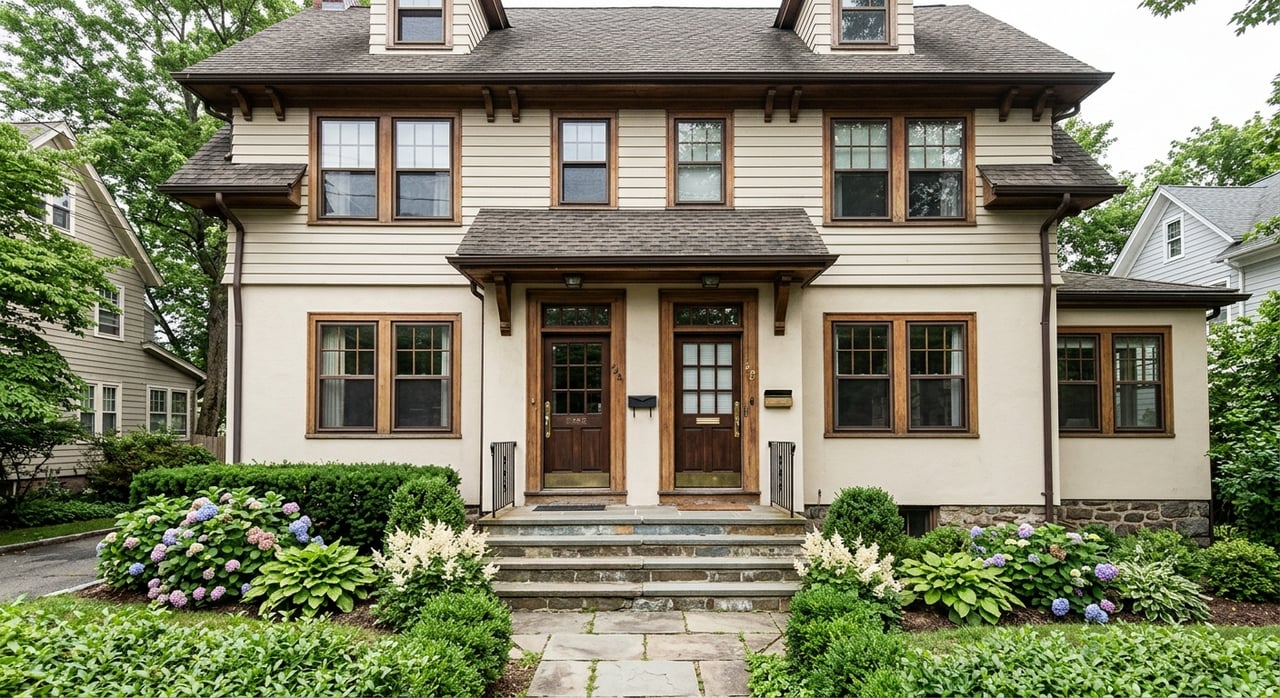
That matters if you are shopping for a duplex, triplex, or four-unit building because you are not looking at a fringe product type. Small multi-units are a core part of Utica’s housing stock, which means buyers can find a range of options, from entry-level value-add properties to more updated buildings.
At the same time, age matters in this market. The same housing study found that most housing across Utica’s submarkets was built before 1950, which helps explain why many multi-unit properties need deeper due diligence than a quick showing can provide.
What the Utica market looks like
Current listing portals show that pricing and inventory can vary quite a bit depending on the source and the condition of the building. Redfin reported 33 multi-family homes for sale in Utica with a median listing price of $180,000, while Realtor.com showed 86 multi-family listings with asking prices ranging from about $39,995 to $1.575 million.
Those numbers are not directly comparable, but together they point to a market with a wide spread. You may see older buildings that need major work, solid owner-occupant opportunities, and renovated properties priced much higher.
Realtor.com also reported a median sold price of $210,000 in Utica in March 2026, with homes selling for about 6.48% below ask on average. For you as a buyer, that suggests room for negotiation may exist, but the right offer still depends on the building’s condition, paperwork, and income potential.
Financing options to compare
Financing is one of the first areas to get clear on before you shop seriously. With a multi-unit purchase, loan rules can differ from what you may expect with a single-family home.
FHA for 1 to 4 units
FHA loans can be used for one- to four-unit properties with as little as 3.5% down. That can make FHA attractive for buyers planning to live in one unit and rent out the others.
For three- and four-unit properties, though, HUD requires a self-sufficiency test. In simple terms, the projected rent from the building becomes especially important, so you want a lender involved early to help you understand whether a property fits the program.
In Oneida County, FHA 2026 loan limits are:
- 1 unit: $541,287
- 2 units: $692,975
- 3 units: $837,825
- 4 units: $1,041,125
Conventional financing
Some buyers may also look at conventional financing. Fannie Mae policy allows up to 95% loan-to-value for two- to four-unit principal residences, which is why some owner-occupants can buy with about 5% down.
Conventional financing may also allow rental income from the other units to help you qualify, as long as it is documented properly. That usually means the lender will need supporting documents such as leases or an appraisal-based rent schedule.
SONYMA programs
For buyers in New York, SONYMA is another option worth discussing with a lender. SONYMA programs allow the purchase of one- to four-family homes, advertise down payment requirements as low as 3%, and may offer 3% down payment assistance.
There are extra rules to keep in mind. SONYMA requires homebuyer education, and some two- to four-family properties must meet age and occupancy-history requirements, so eligibility should be confirmed before you write an offer.
Why pre-approval matters more here
With a multi-unit property, a basic pre-approval is only the starting point. You also want to know how your lender will treat projected rent, what documentation will be needed, and whether the property type fits the loan program.
This is especially important if your plan involves house hacking or using expected rent to strengthen your approval. In many cases that is possible, but only if the loan guidelines and documentation support it.
Due diligence that matters in Utica
In Utica, buying the building means buying its condition, paperwork, and compliance history too. Older housing stock can offer value, but it also means you need to review much more than paint colors and kitchen finishes.
Check rental registry status
Utica’s rental dwelling registry applies to every two-family dwelling, including owner-occupied two-family homes, and to every rental dwelling unit. The city’s residential occupancy certification program also requires rental units to be inspected and certified, and renting without the required certification is unlawful.
Before closing, it is smart to confirm the property’s registry status, occupancy certification history, and whether any required inspections are missing. This is one of those details that can become a costly surprise if you skip it.
Review code compliance records
The city says it enforces the New York State Property Maintenance Code. For a multi-unit buyer, that means code compliance should be treated as part of the asset itself, not as a small issue to sort out later.
You should also ask whether there are open code complaints or violations tied to the property. In an older building, deferred maintenance often affects more than one unit at once.
Pay close attention to lead rules
Lead risk is a major issue for older rental property in this area. Oneida County says New York’s Lead Rental Registry, effective November 3, 2025, applies to Utica as one of 25 high-risk communities.
The county also states that landlords of properties with two or more units built before 1980 in ZIP codes 13501, 13502, and 13440 must register, be inspected, repair lead hazards, and recertify every three years or when ownership changes. If you are buying an older multi-unit, you should assume lead evaluation may be part of the ownership cycle and budget accordingly.
Inspect the whole building
A full-building approach matters in Utica. Because so much of the housing stock is older, buyers should look closely at the roof, exterior envelope, foundation, plumbing, heating, electrical, common areas, unit separation, and life-safety items.
Shared systems deserve special attention in a two- to four-unit building. If one major component fails, it can affect every tenant and your entire cash flow at once.
Budget beyond the mortgage
The purchase price is only one part of the picture. A multi-unit property can look affordable at first glance, then become much less comfortable once taxes, insurance, repairs, and compliance costs are added in.
Property taxes
In New York, property taxes are driven by assessed value and multiple local taxing jurisdictions. That is why it is better to budget by the actual parcel than to assume a neighborhood average will be close enough.
The City of Utica assessor maintains property records, and Oneida County publishes local tax-rate information. Before you buy, make sure your monthly estimate reflects the real tax burden for that specific property.
Insurance and carrying costs
Lenders expect appropriate property insurance for one- to four-unit homes. That makes insurance part of your true monthly carrying cost, not an optional line item.
When you run numbers, build in room for insurance, repairs, maintenance, and vacancy. Conservative underwriting can protect you from buying a property that looks good on paper but feels tight in real life.
Ownership after closing
Owning a multi-unit in Utica is not only about collecting rent. It also means staying current on code compliance, handling maintenance proactively, and using fair housing-consistent leasing and screening practices.
The City of Utica’s fair housing page reminds buyers and landlords that fair housing protections apply when renting or buying housing. If you plan to rent units, it is wise to use clear, consistent procedures from the start.
Utica also appears to be actively enforcing property maintenance standards. In 2025, the city reported about a 30% rise in abatements and about a 20% rise in appearance tickets, which suggests neglected properties can become expensive quickly.
If the building needs lead-related rehabilitation, local help may be available. The City of Utica says it works with the UNHS Homeownership Center on a Lead Paint Hazard Reduction program, which can be useful for some older multi-units needing renovation.
A practical buying plan
If you want to buy a duplex, triplex, or four-unit in Utica, a step-by-step plan can keep the process more manageable. The goal is to identify issues early, before they affect your financing, negotiations, or long-term budget.
Here is a practical sequence to follow:
- Talk with a lender who understands two- to four-unit underwriting.
- Confirm how rental income may be counted for qualification.
- Narrow your search based on realistic monthly carrying costs.
- Review rental registry and occupancy certification records.
- Check for code complaints, violations, and missing paperwork.
- Inspect the entire building, including shared systems.
- Budget for taxes, insurance, vacancy, repairs, and lead-related costs.
- Make your offer based on both value and compliance risk.
The bottom line for Utica buyers
Buying a multi-unit property in Utica can be a smart move, especially if you want flexibility, rental income, or a long-term investment in a market where small multi-family housing remains important. But in this market, the biggest deal-breakers are often not the number of units. They are the building’s condition, financing fit, legal status, and ongoing compliance costs.
That is why organized guidance matters. When you approach the purchase with clear numbers, strong due diligence, and a realistic plan for ownership, you give yourself a much better chance to buy with confidence instead of surprises.
If you are weighing a duplex, triplex, or four-unit purchase in Utica or the surrounding Mohawk Valley, Azza Giorgi can help you stay organized, ask the right questions early, and move forward with a clear plan.
FAQs
What financing options are available for buying a multi-unit property in Utica?
- Buyers often compare FHA, conventional, and SONYMA financing for one- to four-unit properties. The right fit depends on occupancy plans, down payment, projected rent, and program-specific rules.
What city records should you check before buying a multi-family property in Utica?
- You should confirm rental registry status, occupancy certification history, and whether there are code complaints or violations before closing.
What lead rules apply to older multi-unit properties in Utica?
- For covered properties with two or more units built before 1980 in ZIP codes 13501, 13502, and 13440, Oneida County says registration, inspection, lead-hazard repair, and recertification rules may apply.
What should you inspect in an older Utica multi-unit building?
- Focus on the full building, including the roof, foundation, exterior, plumbing, heating, electrical, common areas, unit separation, and life-safety items.
What costs should you budget for when buying a multi-unit property in Utica?
- In addition to the mortgage, budget for property taxes, insurance, repairs, maintenance, possible vacancy, and any compliance or lead-related costs tied to the property.