Wondering whether your Deerfield home still fits your life? For many longtime homeowners, downsizing is not really about giving something up. It is about gaining easier upkeep, lower monthly pressure, and a home that matches how you live now. If you are weighing a move, asking the right questions early can help you make a calmer, more confident decision. Let’s dive in.
Why Downsizing Comes Up in Deerfield
Downsizing is often part lifestyle choice and part financial decision. In Oneida County, housing needs are expected to grow significantly by 2040, and county planning says senior housing could account for nearly half of new construction. The same report notes that 16% of homeowners spend more than 30% of their income on housing, which helps explain why some owners start looking for smaller, simpler homes.
For Deerfield homeowners, timing matters too. The Town of Deerfield assessor uses a March 1 taxable-status date, so questions about assessments and exemptions should be reviewed well before that deadline. If taxes are part of your downsizing plan, that date is important.
Ask Whether Your Home Still Fits Daily Life
A house can be full of memories and still no longer be the right fit. One of the best starting points is to look honestly at how you use your space today, not how you used it ten years ago.
Which Rooms Do You Actually Use?
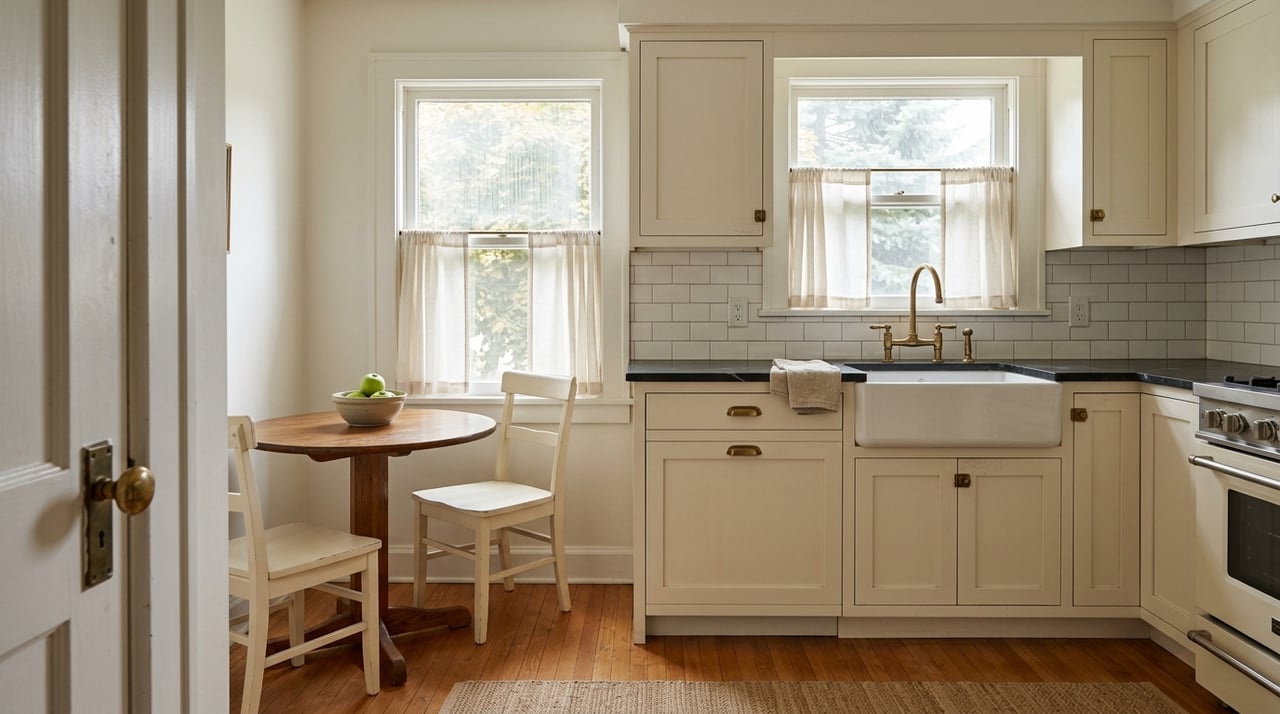
If you are heating, cooling, cleaning, and maintaining rooms that sit mostly empty, your home may be larger than you need. Guest rooms, formal spaces, and finished basements can feel useful in theory but expensive in practice.
Think about your weekly routine. If most of your life happens in the kitchen, living room, bedroom, and one bathroom, a smaller layout may offer the same comfort with less work.
Are Chores Becoming a Burden?
Yard work, snow removal, stair cleaning, and seasonal maintenance can shift from manageable to draining over time. That does not mean anything is wrong. It simply means your housing needs may be changing.
If upkeep is eating into your time, energy, or budget, that is a real factor to weigh. Downsizing can reduce the amount of home you need to maintain every week and every season.
Would a Simpler Layout Help?
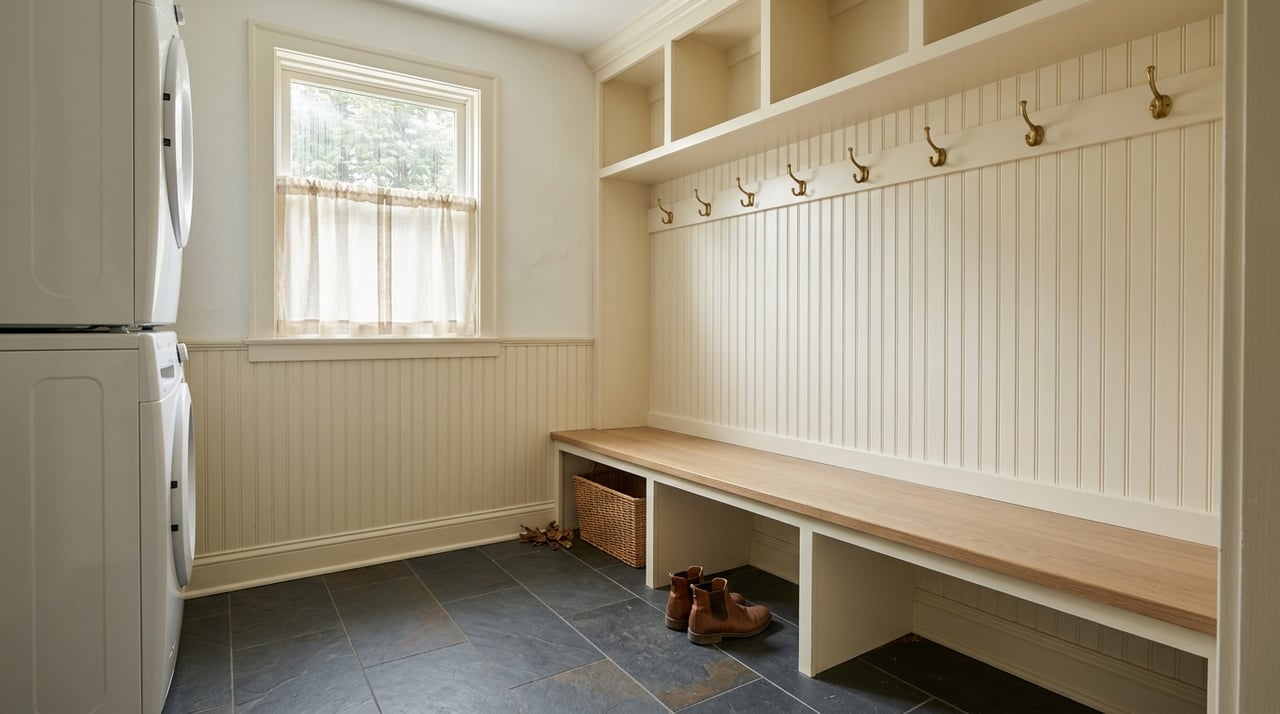
For some homeowners, the biggest issue is not square footage but layout. Stairs, laundry placement, or a hard-to-navigate floor plan can create daily friction.
A one-floor home or a home with easier access may better support your routine. This is especially worth considering if you want a home that works well for the years ahead, not just today.
Would a Different Location Improve Daily Life?
Sometimes the question is less about the house and more about where it sits. You may want to be closer to family, services, transportation, or medical care.
Oneida County’s Office for Aging and Continuing Care serves older adults, individuals with disabilities, families, and caregivers, and offers assessments for needs, home care, transportation, and related services. If access to support matters more now than it used to, that is a meaningful reason to explore a move.
Review the Financial Side Carefully
A smaller home does not always mean lower overall costs. Before you decide to sell, it helps to compare what you spend now with what your next move would actually cost.
What Will It Cost To Sell?
Seller costs can be significant, so it is smart to estimate them early. Freddie Mac says seller closing costs typically include commissions, taxes, and fees. Commission is often the largest expense and commonly ranges from 3% to 8% of the sale price, while fees and taxes often add another 2% to 4%.
You should also budget for move-related expenses that are easy to underestimate. These can include repairs, inspection-requested fixes, packing supplies, truck rental, movers, cleaning, storage, insurance, travel, short-term housing, and vehicle transport.
How Much Equity Will You Have?
Your available equity can shape your next step. Review your mortgage balance, expected selling costs, and what type of home you would want to buy next.
This is where a local comparative market analysis can be more useful than relying on a single online estimate. Recent public snapshots for Oneida County vary by source, but they point to an active market rather than a stalled one. That makes accurate local pricing especially important if you want a realistic net estimate.
Could Taxes Change After You Move?
If you currently receive property tax benefits, check how a move may affect them. In New York, the STAR exemption is closed to new applicants, and new homeowners register for the STAR credit instead. STAR applies only to school district taxes.
Enhanced STAR may be available to qualifying seniors age 65 and older. For the 2026 to 2027 school year, the income limit is $110,750.
New York also offers a senior citizens exemption that can reduce the assessed value of a qualifying primary residence by as much as 50%, subject to local income limits and deadlines. In communities like Deerfield, the taxable-status date is March 1, so timing matters when you review eligibility.
Consider Capital Gains and Mixed-Use Questions
Taxes on the sale itself may or may not be an issue, but they should be reviewed before you list. IRS Publication 523 says qualifying homeowners may exclude up to $250,000 of gain, or up to $500,000 for married couples filing jointly, when they meet the ownership and use tests for a principal residence.
If part of your property has been used for business or rental purposes, the calculation can be more complex. In that case, it is wise to gather records early and review how the property has been used before making assumptions about your tax outcome.
Know Your Local Timing
Many homeowners wait until a move feels urgent. In reality, downsizing usually goes more smoothly when you start planning months ahead.
Start With the March 1 Deerfield Deadline
Because Deerfield uses a March 1 taxable-status date, exemption and assessment questions should be addressed early. If you are thinking about selling and buying within New York, this is one of the first dates to put on your calendar.
That is especially true if you are comparing your current tax benefits with what may be available in your next home. Small timing decisions can affect bigger financial outcomes.
Use a Simple Downsizing Timeline
A step-by-step timeline can make the process feel manageable instead of overwhelming.
12 Months Out
- Get a local comparative market analysis
- Review your mortgage balance
- Gather records related to potential home-sale gain exclusion
- Check local assessment and exemption deadlines, including Deerfield’s March 1 taxable-status date
6 Months Out
- Start decluttering room by room
- Estimate repair and refresh costs
- Decide whether you want to buy before you sell
- Compare moving and storage quotes
Freddie Mac notes that movers are often the largest moving expense, and pricing can vary based on distance, amount of belongings, and service level.
3 Months Out
- Finish repairs
- Prepare for staging and listing photos
- Review timing goals for your sale
National timing studies suggest sellers often benefit from preparing ahead of the spring market. Even so, your pricing, condition, and local competition matter more than trying to time the market perfectly.
30 to 60 Days Out
- Confirm movers
- Schedule utility transfers
- Plan for cleaning and moving insurance
- Finalize any storage or short-term housing needs
Closing Week
- Review final settlement figures carefully
- Keep tax documents in one place
- If you are moving to a new primary residence in New York, re-check STAR or senior exemption rules with the new local assessor
Questions To Ask Before You Decide
If you are on the fence, these questions can help bring clarity:
- Am I using most of this home on a regular basis?
- Are maintenance tasks becoming harder, more expensive, or more stressful?
- Would a smaller or one-floor layout make daily life easier?
- Do I want to be closer to family, services, or medical care?
- Have I estimated selling costs, moving costs, and my likely net proceeds?
- Do I understand how a move may affect STAR credits or senior exemptions?
- If I have business or rental use in the property, have I reviewed possible tax implications?
- Am I planning early enough to make thoughtful decisions instead of rushed ones?
How To Make the Decision With Confidence
Downsizing is rarely just a money decision or just an emotional decision. In Deerfield, it is often a mix of space, upkeep, taxes, timing, and your long-term comfort.
The good news is that you do not have to figure it all out at once. When you break the process into clear questions and practical steps, the decision becomes much easier to evaluate.
If you are thinking about downsizing in Deerfield and want a clear, organized plan for what to do next, Azza Giorgi can help you understand your options, estimate your next steps, and move forward with less stress.
FAQs
What does downsizing in Deerfield usually involve?
- Downsizing in Deerfield usually involves reviewing whether your current home still fits your daily needs, estimating selling and moving costs, checking local tax deadlines, and comparing your current home with smaller or easier-to-maintain options.
What tax deadline matters for Deerfield homeowners considering a move?
- The Town of Deerfield uses a March 1 taxable-status date, so homeowners should review assessment and exemption questions well before that date.
What New York property tax benefits should seniors review before downsizing?
- Seniors should review whether they may qualify for Enhanced STAR or the senior citizens exemption, since eligibility rules, income limits, and local deadlines can affect costs after a move.
What selling costs should Deerfield homeowners expect when downsizing?
- Common seller costs include commissions, taxes, fees, repairs, moving expenses, storage, cleaning, and possible short-term housing, so it is important to estimate net proceeds before making a decision.
Why is a local market analysis important before downsizing in Oneida County?
- Public market estimates can vary by source, so a local comparative market analysis can give you a more accurate picture of pricing, timing, and likely proceeds for your specific property.